
All About Autism
-
Autism, also known as Autism Spectrum Disorder (ASD), is a developmental condition that affects how a person communicates, interacts with others, and experiences the world around them. It is called a “spectrum” because autism presents differently in every individual. Some people may need significant daily support, while others live independently and may have unique strengths in areas such as memory, creativity, or problem-solving.
Autism is lifelong, but early awareness and supportive environments can make a meaningful difference in helping children build skills, confidence, and independence. Every autistic person is unique, and with understanding and appropriate support, individuals on the spectrum can thrive in their own way.
-
Autism does not have one single cause. Research suggests that it develops from a combination of genetic factors and differences in early brain development. In many cases, autism tends to run in families, which indicates that genetics can play a role.
Scientists continue to study how certain biological and environmental influences may interact during pregnancy or early development, but autism is not caused by parenting style, family dynamics, or vaccines. These have been extensively studied and shown not to cause autism.
Autism is a natural variation in how the brain develops and processes information. While researchers continue to learn more, what remains most important is early awareness, understanding, and supportive environments.
-
No. Vaccines do not cause autism.
Extensive scientific research conducted around the world has found no link between vaccines and autism. Major health organizations, including the Centers for Disease Control and Prevention (CDC) and the World Health Organization (WHO), have repeatedly confirmed that vaccines are safe and are not a cause of autism.
The idea that vaccines cause autism came from a study published in the late 1990s that was later found to be flawed and fraudulent. That study was withdrawn, and numerous large-scale studies since then have shown no connection.
Autism is believed to be related to genetic and developmental factors—not childhood vaccinations.
For families, the focus should be on early awareness, understanding, and access to accurate information. Vaccination decisions should always be discussed with a qualified healthcare professional.
Signs and Symptoms
-

Signs of Autism in Children
One of the most important things you can do as a parent or caregiver is to learn the early signs of autism and become familiar with the developmental milestones that your child should be reaching.
Not all autistic children will have all these behaviors, but most will have several of the behaviors listed below. That’s why professional evaluation is crucial. Additionally, some children without ASD might display some of these behaviors. But for those with ASD, these behaviors can be disruptive or challenging to daily life.
-
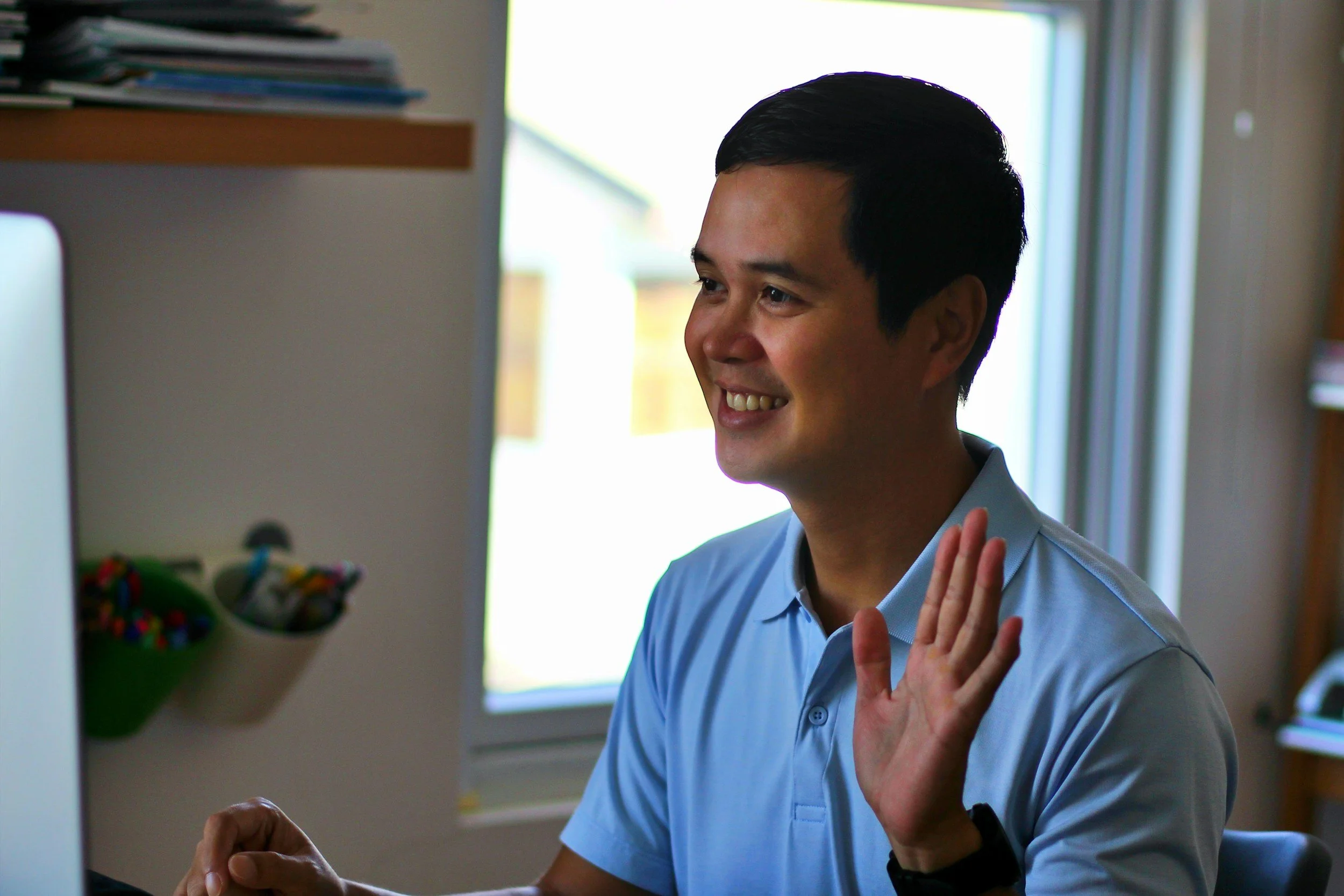
Signs of Autism in Adults
Although awareness has increased in recent years, many adults grew up at a time when autism was less recognized, leading some to go undiagnosed or misdiagnosed.
You may have spent much of your life not realizing that certain challenges or experiences could be connected to autism. If you suspect you—or someone you care about—may be on the spectrum, learning about common signs of autism in adults can be an important first step toward understanding and self-awareness.
-
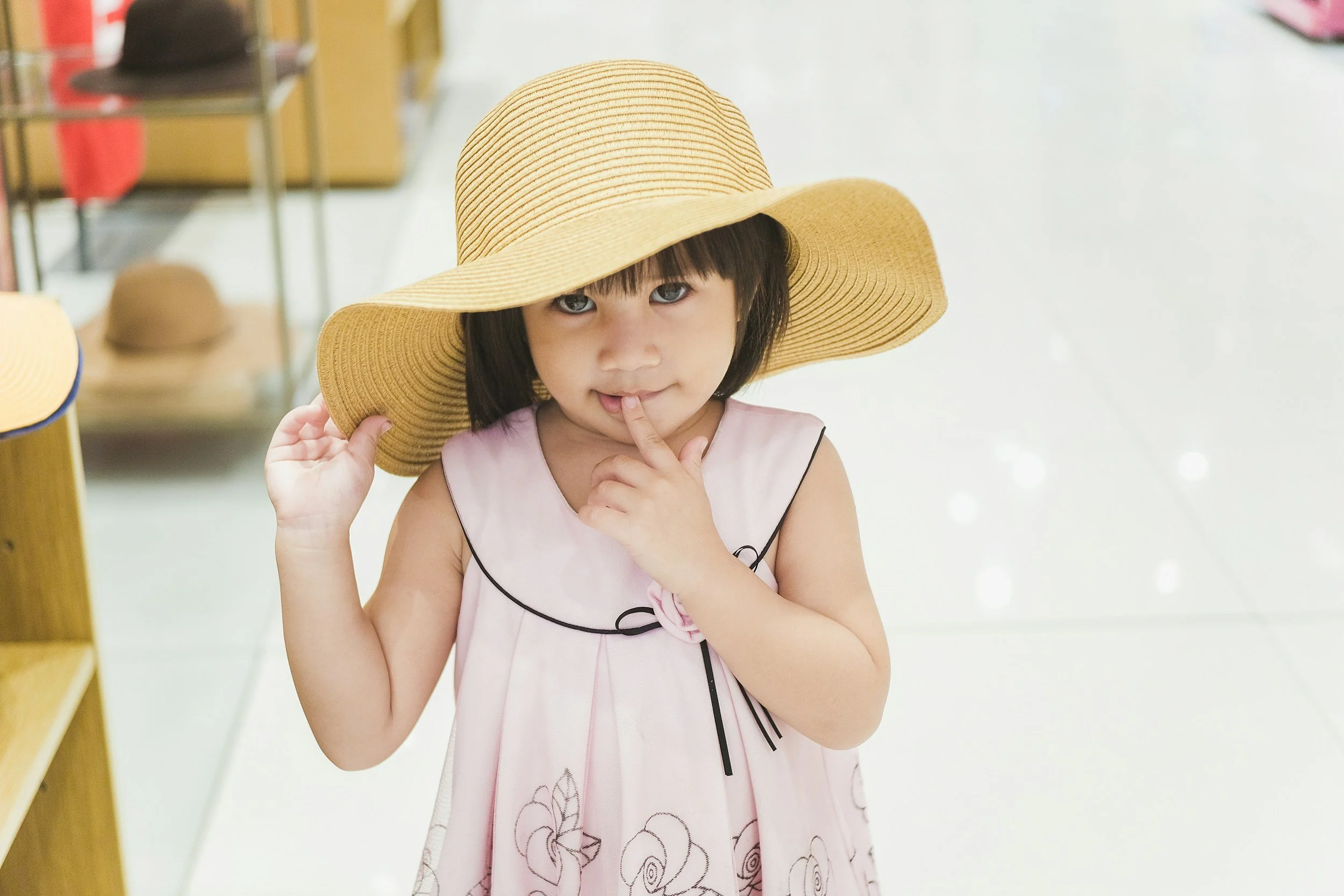
Signs of Autism in Women and Girls
Autism can present differently in women and girls, and for many years these differences were often overlooked. Girls may show more subtle signs or develop coping strategies—sometimes called “masking”—to fit in socially, even if they feel overwhelmed internally. Because their traits may be less obvious, many women and girls are diagnosed later in life or not at all. Understanding these differences can help bring greater awareness, clarity, and support.